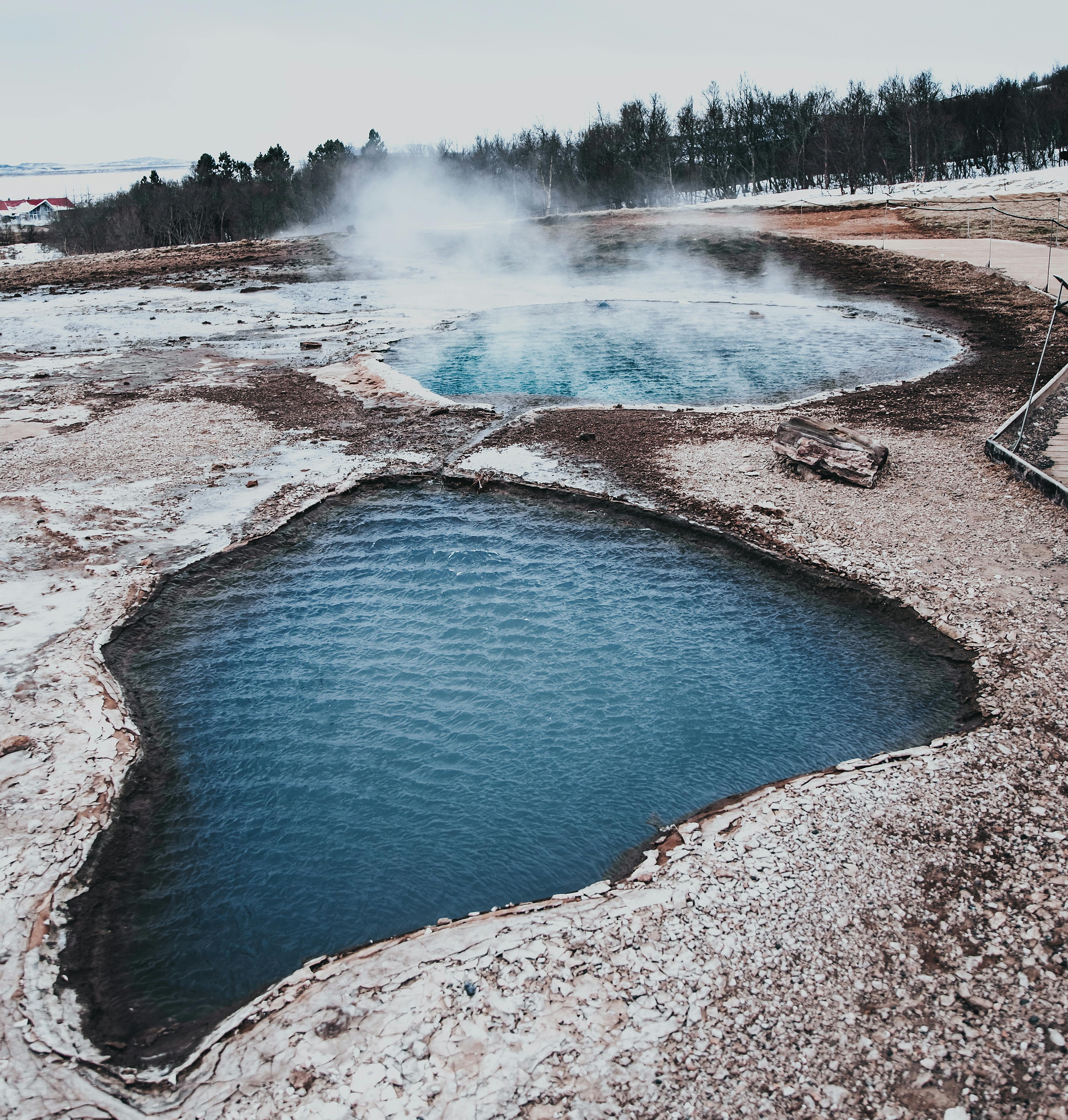
One clean energy solution homeowners can use is buying geothermal heat pumps. Geothermal heat pumps are an excellent initiative for homeowners who want to improve their lifestyles while protecting their environment from pollution. Geothermal heat pumps use the ground to store the heat, so in the winter, heat from the ground is pulled into the home, and in the summer, the heat is pulled out and enters the ground.
The cost of a geothermal heat pump depends on many different attributes. These attributes are heat pump type, home size, and capacity. Capacity is measured in tons, and each ton cost ranges from $2500 - $8000. Home size is also essential because bigger homes require a bigger heat pump / more tons. Finally, the type of heat pump heavily depends on the amount of land you have to set up the heat pump. There are four types of heat pumps: horizontal loop(open loop), Vertical loop, Pond loop, and Open loop. Each type of pump depends on the homeowner's area and the amount of space or access to a body of water they have.
Horizontal loop pumps cost between $15,000 - $34,000 and are buried 4-6 feet underground; they are great for rural properties since they need much land to install. Vertical loop pumps cost between $20,000 - $38,000 and are usually buried 100 - 500 feet underground. These pumps are most commonly used for companies with little space that want to use geothermal pumps. A pond loop pump costs between $10,000 -$32,000 and uses a body of water at least eight feet deep to heat the home. The price depends on how far the property is from a body of water—finally, a closed-loop pump costs between $10,000 - $28,000. Like a pond loop, a closed loop uses water but needs a significant freshwater source, unlike the pond loop. This type of pump is less common since installing it may face local law restrictions.
With the use of geothermal pumps, the energy consumption of a household decreases, and corresponding emissions are also reduced. Compared with air-source heat pumps, emissions can be reduced by up to 44 percent and up to 72 percent compared to standard air-conditioning equipment. These pumps can last over 20 years and are easy to install. Another positive about geothermal pumps is that they have no condensing units like air conditioners, so they do not take up any land space or make noise.
Tax Rebate
While geothermal heat pumps may seem expensive, but they are federal tax incentives that greatly reduce the cost making it more affordable for homeowners to purchase heat pumps. In 2022 a energy tax credit was extended to 2032. This tax rebate gives back 30% of the total cost of the system up until 2032. After that the tax credit drops to 26% until the end of 2033 then 22% until the end of 2034. Rental homes do not qualify for this tax rebate but existing and newly constructed homes do. Homeowners can not claim this tax rebate if they are using the geothermal pumps solely for the purpose of heating a pool or hottub. Apart from that the geothermal heat pumps must use the ground or ground water as a thermal energy source or sink and must be ENERGY STAR certified. To claim this tax rebate us IRS form 5695. The money saved can be used to offset regular income taxes and alternative minimum taxes.